FROM SOIL TO SHELF
THE FRYND
FOOTPRINT
Where our cocoa comes from, who grows it, and why dairy-free is better for the planet — laid out as openly as we can.
Where our cocoa comes from, who grows it, and why dairy-free is better for the planet — laid out as openly as we can.
CO2e per 1 kg of FRYND chocolate
Skipping milk is the single biggest thing chocolate can do for its carbon footprint. Ours carries a certified footprint of roughly 0.7 kg CO2e per kilo — against 4 to 13 kg for most conventional milk chocolate. Same indulgence, a fraction of the impact.
Our cocoa comes from the same farming families in Sierra Leone and the Democratic Republic of the Congo, sourced through our trusted partner Tradin Organic in the Netherlands. Every bag is registered and traceable back to the farmer who grew it, then processed at Tradin's own facility in Holland — so we always know exactly where our chocolate begins.
Tradin doesn't just buy beans. Farmers are paid fairly, well above the local market, with an organic premium on top. A dedicated child-protection programme guards against child and forced labour, and farmer-run village savings groups keep growers out of debt between harvests. It isn't a Fairtrade label on our wrapper — it's a direct, long-term relationship that does the same job, and then some.
Grown without synthetic pesticides or fertilisers, to certified-organic and regenerative-organic standards. Our bars are USDA Organic — bio, through and through.
Sierra Leone's remote, unpolluted soils give some of the lowest cadmium levels of any cocoa on earth. We test the soil and the beans regularly for lead and cadmium — there's always a trace, but ours sits far below what you'll find in most mainstream chocolate.
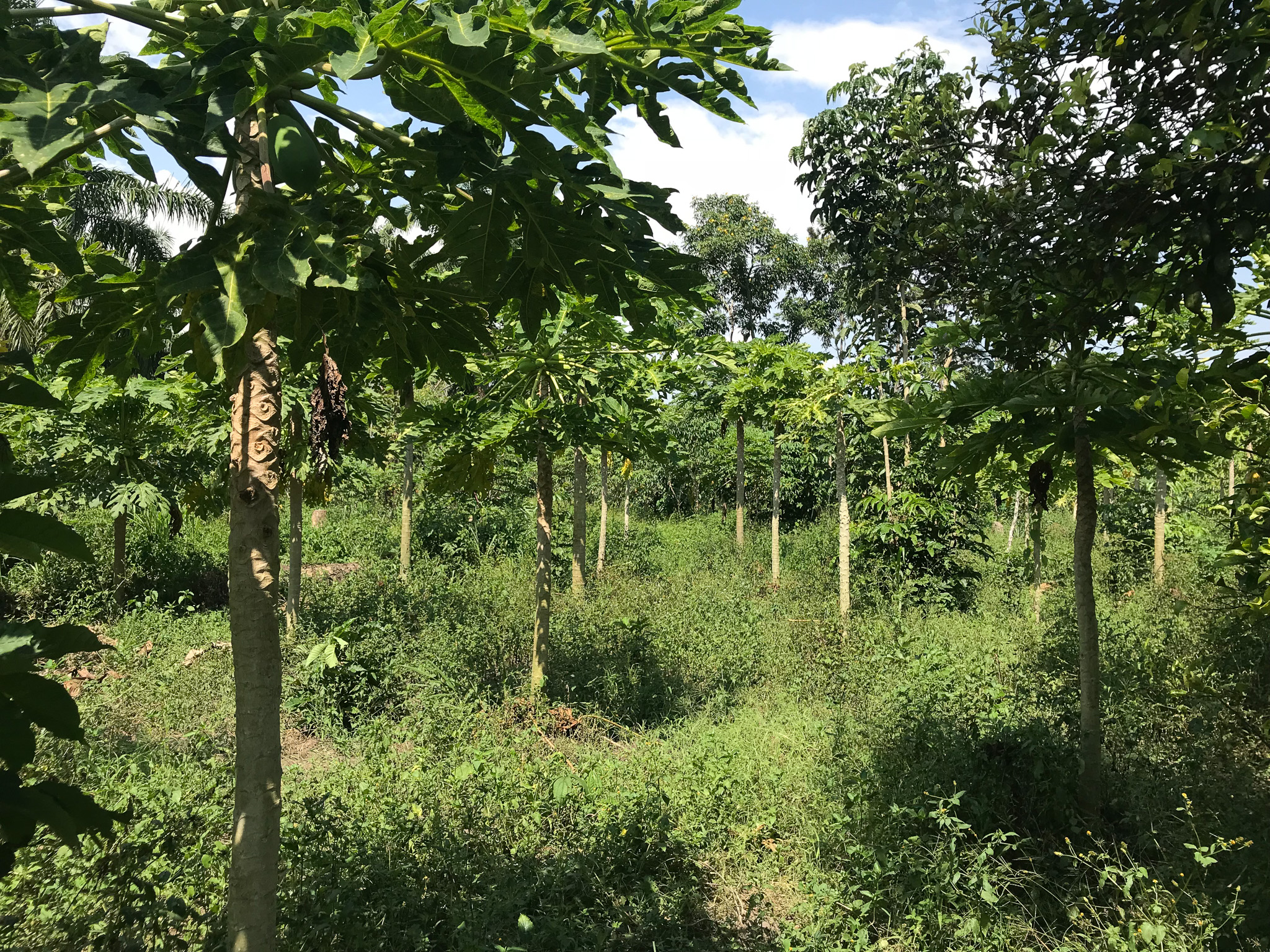
Cocoa is grown in agroforestry systems that lift yields without clearing new land — protecting the rainforest around the Gola Forest, with active reforestation replanting what was lost.
Tradin runs social projects in the communities around the farms — training, schooling and infrastructure — so the benefit reaches the whole village, not only the harvest.
Want the detail behind any of this? Our partner publishes their sourcing and sustainability work in full at tradinorganic.com.